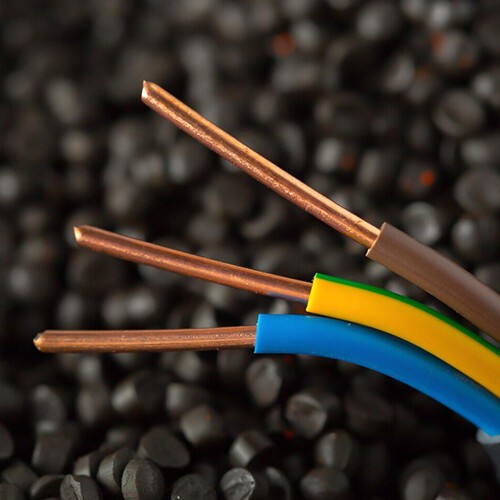
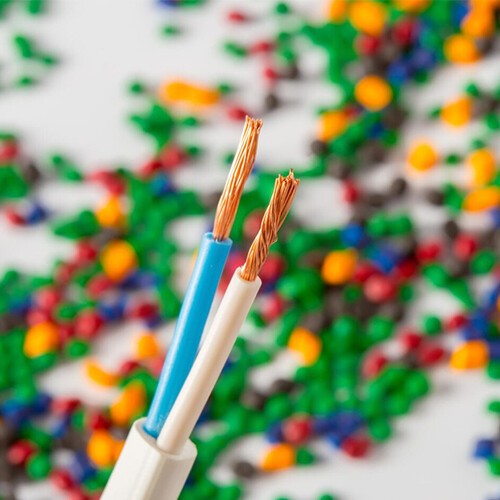
Rubber cables are a specialized category of electrical cables insulated and sheathed with various rubber compounds, prized for their exceptional flexibility, durability, and performance in demanding environments. Unlike rigid plastic-insulated cables, rubber cables maintain their electrical and mechanical properties across a wide temperature range and under constant movement, vibration, or mechanical stress.
The defining feature of rubber cables is their elastomeric insulation—typically EPR (Ethylene Propylene Rubber), SBR (Styrene Butadiene Rubber), CR (Chloroprene Rubber - Neoprene), or SiR (Silicone Rubber). These materials give the cables their trademark resilience, making them indispensable where standard cables would fail.
Technical Specifications and Construction
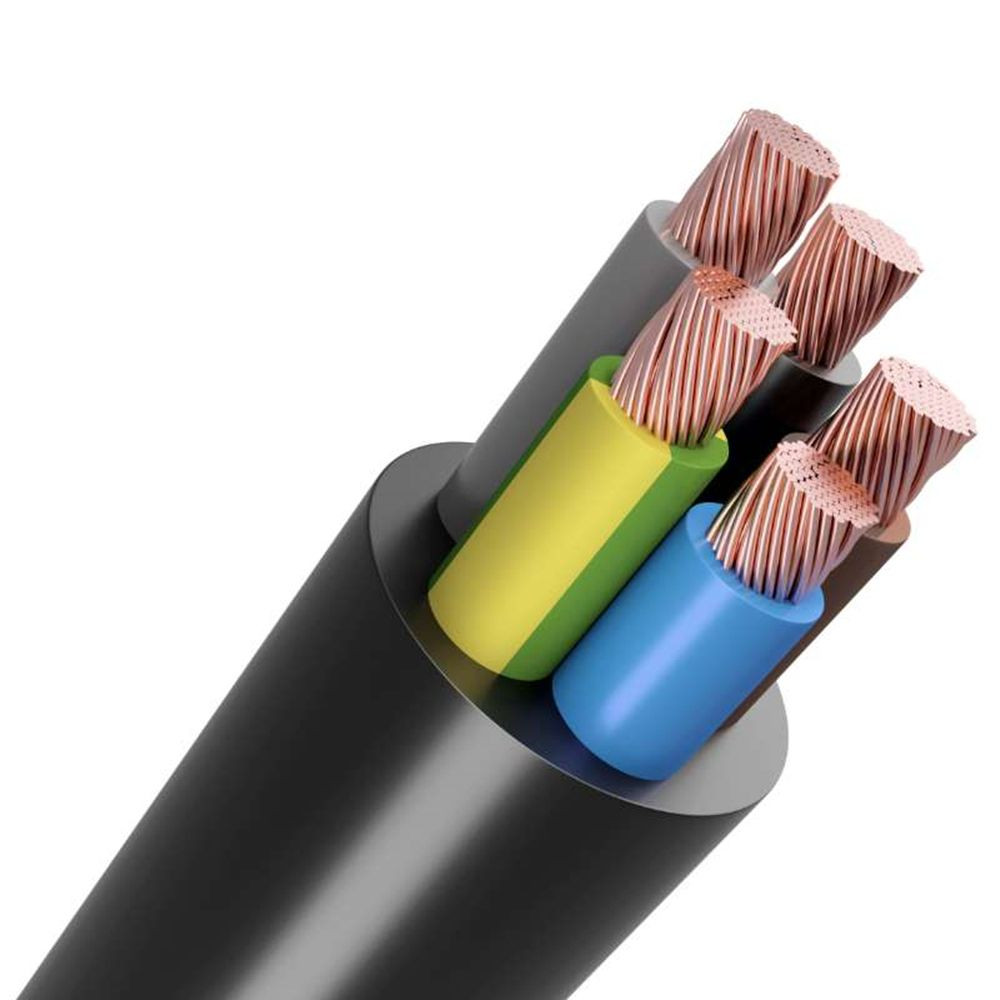
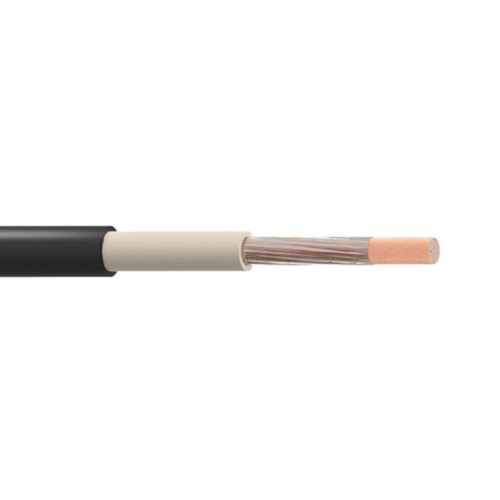
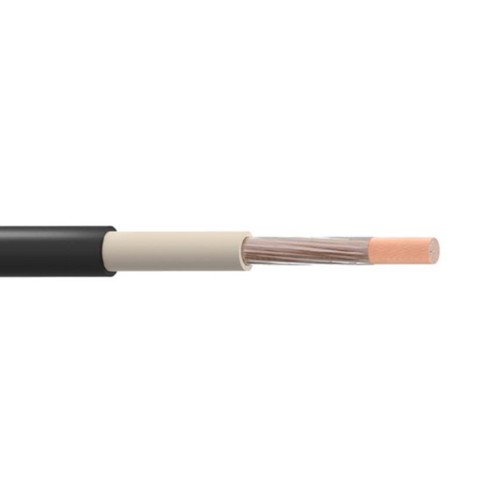
Conductor:
Material: High-grade electrolytic copper (tinned or bare).
Construction: Finely stranded (Class 5 or Class 6 per IEC 60228), offering maximum flexibility. Common stranding patterns include bunching or concentric lay.
Insulation:
Primary Material: Rubber compound (EPR, SiR, CR). Thickness is standardized based on voltage rating.
Function: Provides electrical isolation, flexibility, and thermal/mechanical protection.
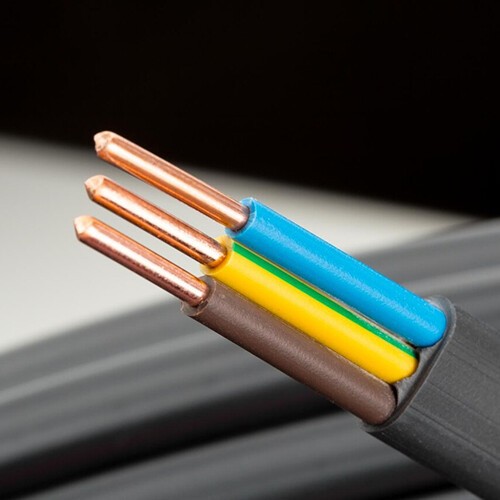
Inner Sheath/Bedding (if multi-core):
Extruded rubber or textile tape that binds cores together and maintains cable circularity.
Outer Sheath/Jacket:
Material: Tough, compounded rubber like Neoprene (CR), Chlorosulfonated Polyethylene (CSP - Hypalon), or Thermoplastic Rubber (TPR).
Properties: Resists oils, chemicals, abrasion, weathering, and mechanical impact. Often features sunlight (UV) and ozone resistance.
Key Specifications Table
|
Parameter
|
Typical specification
|
Standard reference
|
|
Voltage rating
|
300/500V, 450/750V, 0.6/1kv
|
IEC60245, BS7919
|
|
Temperature range
|
-40°C to +90°C (varies by compound)
|
IEC60245
|
|
Conductor Flexibility
|
Class 5 (Flexible) or Class 6 (Extra Flexible)
|
IEC60228
|
|
Oil resistance
|
Good to excellent (per IEC60811)
|
IEC60811-404
|
|
Flame retardancy
|
IEC60332-1 (Flame retardant)
|
IEC60332 Series
|
|
Minimum bending redius
|
AS low as 5x cable diameter
|
Manufacturer spec.
|
Classification of Rubber Cables
Rubber cables are classified based on their construction, insulation material, and specific application suitability.
1. By Insulation Material:
EPR Cables (Ethylene Propylene Rubber): Excellent thermal stability (up to 90°C), good electrical properties, and moisture resistance. Common for general industrial flexible applications.
Silicone Rubber Cables (SiR): Extreme high-temperature resistance (up to 180°C), high flexibility at low temperatures, excellent flame retardancy. Used in high-heat areas like furnaces, lighting.
Neoprene Cables (CR): Outstanding toughness, weather/ozone/oil resistance. The classic choice for heavy-duty portable applications (welding, construction).
CPE Cables (Chlorinated Polyethylene): Balanced properties of flexibility, oil, and flame resistance.
2. By Construction & Application:
H07RN-F / H07RN8-F: The quintessential heavy-duty rubber flexible cable. Neoprene jacket, EPR insulation. For portable tools, temporary installations, and harsh environments.
H05RR-F: Medium-duty rubber cable. For less demanding portable equipment and appliances.
Oil Resistant Flexible Cables: Specially compounded for constant exposure to oils and greases (e.g., workshops, garages).
Welding Cables: Extra-flexible, single-core rubber cables (typically H01N2-D) designed for high current and constant movement of welding equipment.
Mining Cables (Pliable/GD Cables): Reinforced rubber cables with exceptional mechanical strength and flame-retardant properties for underground and surface mining.
Shipboard/Marine Cables: Rubber cables with added resistance to saltwater, fungi, and mechanical crush.
3. By Core Configuration:
Single Core
Multicore (2, 3, 4, 5+ cores) with or without a bare earth conductor.
Primary Applications of Rubber Cables
Rubber cables are the workhorses of industry and mobile power, chosen where reliability under stress is critical.
1. Industrial & Manufacturing:
Portable Machinery: Grinders, drills, pumps, and conveyors.
Factory Floor Feeds: Connections to moving machine parts on assembly lines.
Temporary Power: For construction sites, event power distribution, and repair work.
2. Specialized Sectors:
Mining (Pliable/GD Cables): Powering drills, shuttle cars, and pumps in wet, abrasive, and high-risk environments.
Marine & Offshore: Deck machinery, shore power connections, and equipment on ships and oil rigs.
Railway: Power and control circuits in rolling stock and maintenance.
Renewable Energy: Inter-array connections in solar farms and temporary wiring in wind turbine construction.
3. Commercial & Infrastructure:
Stage & Event Production: Powering lighting rigs, sound systems, and broadcast equipment due to flexibility and safety.
HVAC Systems: Connections to motors and compressors that vibrate.
Public Address & Emergency Systems: Where reliability is paramount.
4. Tools & Equipment:
Welding Sets: Welding cables are a specialized type of rubber cable.
Heavy-Duty Extension Leads: For workshops and outdoor use.
Cranes & Hoists: Providing power to moving parts.
Installation Best Practices:
Bending Radius: Adhere to the minimum bending radius (often 5-6x diameter) to prevent internal damage.
Cable Strain Relief: Always use proper gland plates, cord grips, and strain relief at connection points.
Avoid Overheating: Do not coil or bunch energized cables tightly, as this can trap heat.
Regular Inspection: Check for cuts, abrasions, cracking, or swelling of the sheath, especially in portable applications.
The evolution of rubber cables focuses on enhanced sustainability (recyclable compounds), improved fire safety (low smoke zero halogen - LSZH versions), and smart capabilities (integrated condition monitoring). However, their core value proposition remains unchanged: unmatched durability where flexibility and toughness are non-negotiable.
In summary, rubber cables are not a generic solution but a purpose-engineered tool. From powering a critical pump in a flooded mine to ensuring a rock concert goes off without a hitch, their robust construction and reliable performance make them the definitive choice for demanding electrical applications across the globe.







 623
623


 Admin
Admin
 Jan 28 2026
Read More
Jan 28 2026
Read More