Application of Household Electrical Wiring

Household electrical wiring forms the backbone of every residential building, safely delivering electricity from the utility supply to lighting, appliances, outlets, and modern smart systems. Proper selection, installation, and maintenance of electrical cables are essential not only for daily convenience but also for fire safety, energy efficiency, and long-term reliability.
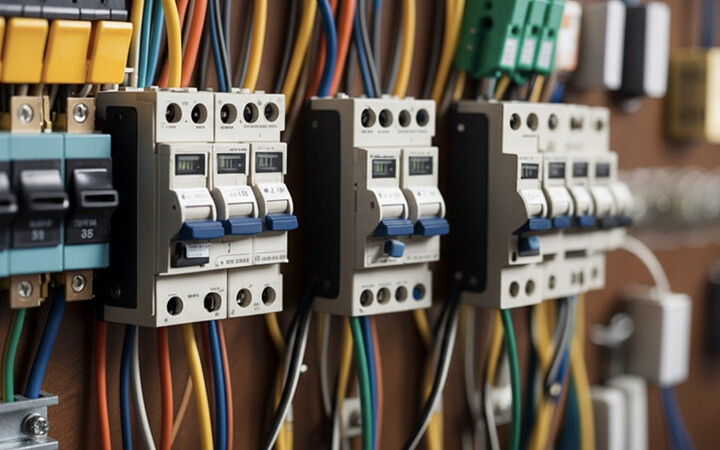
Unlike industrial or commercial wiring, household electrical wiring must balance safety, flexibility, cost, and ease of installation, while complying with national electrical codes. With the increasing use of high-power appliances, air conditioners, electric vehicles, and smart home systems, understanding residential wiring applications has become more important than ever.

1. Main Applications of Household Electrical Wiring

Household wiring is used across multiple electrical circuits, each serving a specific purpose within a residential building.

1.1 Lighting Circuits

Lighting circuits power ceiling lights, wall lights, outdoor lighting, and decorative fixtures. These circuits typically carry lower current and use smaller conductor sizes.

1.2 Power Socket Circuits

Wall outlets supply electricity to household appliances such as refrigerators, televisions, washing machines, and kitchen equipment. These circuits require cables with higher current-carrying capacity.

1.3 Fixed Appliance Circuits

High-power appliances often require dedicated circuits, including:

  • Air conditioners
  • Electric water heaters
  • Ovens and cooktops
  • Heat pumps

1.4 Communication and Control Wiring

Modern homes include wiring for:

  • Internet and data
  • Doorbells
  • Intercoms
  • Security systems

1.5 Grounding and Earthing Systems

Ground wires protect occupants and equipment by safely directing fault currents to earth.

2. Common Cable Types Used in Household Wiring

Different cable types are selected based on installation method, load requirements, and local regulations.

2.1 PVC Insulated Copper Wires

Application
  • General lighting and socket circuits
  • Installed in conduits or trunking
Features
  • Copper conductor
  • PVC insulation
  • Cost-effective and easy to install
  • Typical sizes: 1.5 mm², 2.5 mm², 4 mm²

2.2 Non-Metallic Sheathed Cable (NM Cable)

Application

Internal wall and ceiling wiring (commonly used in North America)

Features
  • Multiple insulated conductors with outer sheath
  • Quick installation
  • Not suitable for outdoor or wet locations

2.3 Armored Cable (AC / BX Cable)

Application
  • Areas requiring additional mechanical protection
  • Basements and service rooms
Features
  • Metal armor for protection
  • Good fire resistance

2.4 Flexible Cords

Application
  • Portable appliances
  • Extension cords
Features
  • Fine-stranded copper conductor
  • High flexibility
  • Not intended for fixed installation

2.5 Low Smoke Zero Halogen (LSZH) Cables

Application
  • Apartments
  • High-rise residential buildings
Features
  • Low toxic gas emission
  • Reduced smoke during fire
  • Improved occupant safety

2.6 Ground (Earth) Wires

Application

Safety grounding of electrical systems

Features
  • Bare or green/yellow insulated
  • Critical for shock protection

3. Specialized Applications in Modern Homes

3.1 Air Conditioning and Heating Systems

  • Dedicated circuits with higher current rating
  • Heat-resistant insulation
  • Proper circuit breakers required

3.2 Electric Vehicle (EV) Charging

  • Heavy-duty cables
  • Higher conductor size
  • Strict compliance with electrical codes

3.3 Solar-Ready and Backup Power Systems

  • Connection between inverter, battery, and distribution board
  • Heat and overload resistant cables
  • Proper grounding essential

3.4 Smart Home and Automation Systems

  • Control and signal cables
  • Low-voltage wiring
  • Separate routing from power cables to avoid interference

3.5 Home Security and Fire Alarm Systems

  • Low-voltage, flame-retardant cables
  • Reliable signal transmission
  • Long-term durability

4. Electrical Safety and Code Compliance

Household wiring must comply with national and local electrical standards, such as:

NEC (USA)
IEC Standards
BS Standards
Local Building Codes

Key safety considerations include:

  • Correct cable sizing
  • Proper grounding
  • Use of circuit breakers and RCDs
  • Fire-resistant cable materials

5. Installation Best Practices for Household Wiring

5.1 Cable Routing

  • Avoid sharp edges and excessive bending
  • Keep cables away from heat sources
  • Use conduits or trunking where required

5.2 Conductor Sizing

  • Match cable size to load current
  • Consider future expansion
  • Avoid undersized cables

5.3 Connections and Terminations

  • Secure terminals properly
  • Avoid loose connections
  • Use certified connectors and accessories

5.4 Separation of Circuits

  • Separate power and signal cables
  • Reduce electromagnetic interference

5.5 Testing Before Use

  • Insulation resistance testing
  • Continuity checks
  • Polarity verification

6. Maintenance and Inspection of Household Wiring

6.1 Routine Visual Inspection

  • Check for cracked insulation
  • Look for discoloration or overheating signs
  • Inspect outlets and switches

6.2 Load Monitoring

  • Avoid overloading circuits
  • Use proper-rated appliances

6.3 Aging and Replacement

  • Replace old or brittle wiring
  • Upgrade wiring during renovation
  • Consider modern safety cables

6.4 Protection Devices

  • Ensure circuit breakers function properly
  • Test RCDs periodically

7. Common Problems and Causes

Problem Possible Cause
Frequent breaker trips Overload or undersized cable
Flickering lights Loose connection
Warm outlets Poor contact or overload
Burning smell Insulation damage
Warning: Prompt attention prevents serious hazards.

8. Frequently Asked Questions (FAQs)

Copper conductor cables with PVC or LSZH insulation are commonly used due to safety and reliability.

They are generally not recommended for internal household wiring due to connection and oxidation issues.

Typically every 20–30 years, or earlier if insulation shows signs of deterioration.

Yes, conduit systems provide better mechanical protection and easier future maintenance.

No, flexible cords are intended only for movable appliances.

Grounding protects people and equipment by safely directing fault currents to earth.

Household electrical wiring plays a critical role in ensuring safety, comfort, and efficiency in residential buildings. Choosing the correct cable types, following proper installation practices, and performing regular maintenance significantly reduce electrical risks and extend the service life of home electrical systems.

As homes continue to adopt advanced technologies and higher electrical loads, investing in quality wiring materials and professional installation is essential. A well-designed household wiring system not only meets current needs but also prepares the home for future electrical demands.