Overhead Power Cable Application

Overhead power cables, commonly known as overhead conductors, are widely used in electrical transmission and distribution networks to deliver electricity across long distances. Compared with underground cable systems, overhead power cables offer advantages such as lower installation cost, easier inspection, and faster fault repair, making them the preferred choice for high-voltage transmission lines and medium- to low-voltage distribution networks worldwide.
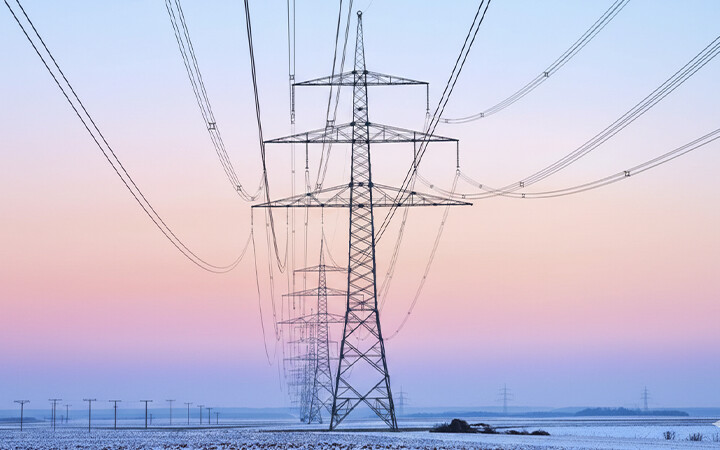
From urban distribution lines to cross-country transmission corridors, the performance and reliability of overhead power cables directly affect power system stability.

1. Main Applications of Overhead Power Cables

Overhead power cables are used across various voltage levels and environments.

1.1 Power Transmission Lines

  • High-voltage (HV) and extra-high-voltage (EHV) transmission
  • Long-distance power transfer between substations
  • Crossing mountains, rivers, and open terrain

1.2 Power Distribution Networks

  • Medium-voltage (MV) distribution lines
  • Low-voltage (LV) overhead lines in rural and suburban areas
  • Street power supply and service drops

1.3 Rural and Remote Electrification

  • Cost-effective power supply for villages and remote areas
  • Easy installation and expansion

1.4 Temporary and Emergency Power Lines

  • Construction sites
  • Disaster recovery power supply
  • Temporary bypass lines

2. Environmental and Operating Conditions

Overhead power cables operate under continuous exposure to the environment, requiring robust mechanical and electrical performance.

  • Wind load and vibration
  • Ice and snow accumulation
  • Solar radiation and temperature variation
  • Rain, humidity, and pollution
  • Mechanical tension and conductor sag
  • Lightning and overvoltage exposure

3. Types of Overhead Power Cables and Conductors

Selecting the right conductor type is critical for performance, safety, and service life.

3.1 ACSR (Aluminum Conductor Steel Reinforced)

Application
  • Medium and high-voltage transmission lines
  • Long spans and high mechanical tension areas
Features
  • Aluminum strands for conductivity
  • Steel core for high tensile strength
  • Good balance of strength and cost
  • Typical standards: ASTM B232, IEC 61089

3.2 AAC (All Aluminum Conductor)

Application
  • Urban distribution networks
  • Short to medium spans
Features
  • High electrical conductivity
  • Lightweight
  • Lower tensile strength compared to ACSR
  • Typical standards: ASTM B231, IEC 61089

3.3 AAAC (All Aluminum Alloy Conductor)

Application
  • Coastal and corrosive environments
  • Distribution and sub-transmission lines
Features
  • Higher strength than AAC
  • Better corrosion resistance
  • Lower sag compared to AAC
  • Typical standards: ASTM B399, IEC 61089

3.4 ACSR/AW (Aluminum Conductor Steel Reinforced, Aluminum-Clad Steel Core)

Application
  • Coastal and industrial areas
  • Corrosive environments
Features
  • Improved corrosion resistance
  • High mechanical strength

3.5 ACAR (Aluminum Conductor Alloy Reinforced)

Application

Lines requiring both high conductivity and strength

Features
  • Aluminum alloy core
  • Lower losses than ACSR
  • Improved sag performance

3.6 Covered Overhead Conductors (ABC / Covered Conductors)

Application
  • Urban distribution networks
  • Tree-dense areas
  • Improved public safety
Features
  • Thin insulation layer
  • Reduced short-circuit risk
  • Lower maintenance due to fewer outages

4. Frequently Asked Questions (FAQs)

ACSR is the most widely used due to its balance of conductivity, strength, and cost.

AAAC or ACSR/AW are preferred due to superior corrosion resistance.

Traditional overhead conductors are bare, but covered conductors and ABC cables include insulation for improved safety.

Typically 30–50 years, depending on environment and maintenance.

Aluminum offers lower weight, lower cost, and adequate conductivity for overhead applications.

Yes, especially covered conductors and ABC cables designed for urban distribution.

Overhead power cables remain an essential component of global power transmission and distribution systems. With a wide range of conductor types such as AAC, ACSR, AAAC, and covered overhead cables, engineers can select optimized solutions based on electrical, mechanical, and environmental requirements.

By understanding application scenarios, conductor models, installation considerations, and maintenance requirements, utilities and EPC contractors can ensure safe, reliable, and cost-effective power delivery through overhead transmission and distribution networks.