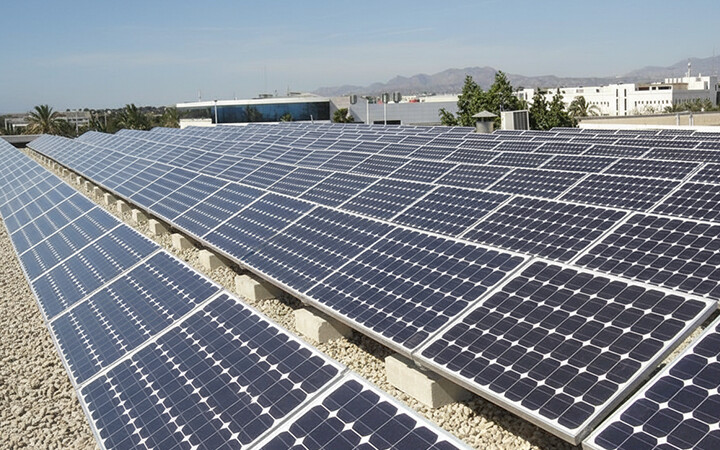
Solar photovoltaic (PV) cables are a critical component of any solar power system, directly influencing system safety, efficiency, and long-term reliability. Unlike conventional power cables, solar PV cables are specifically designed to operate under harsh outdoor conditions while continuously carrying direct current (DC) electricity generated by photovoltaic modules.
As solar installations expand rapidly across utility-scale power plants, commercial rooftops, and residential systems, the importance of selecting the correct solar PV cable has become increasingly evident. Failures caused by improper cable selection—such as insulation cracking, UV degradation, or excessive voltage drop—can lead to reduced energy output, increased maintenance costs, and serious safety risks.
This article provides a comprehensive overview of solar photovoltaic cable applications, covering operating environments, electrical and mechanical requirements, material design, international standards, selection guidelines, and best installation practices. It is intended as a practical reference for engineers, EPC contractors, and project owners involved in solar energy projects.
Solar PV cables are used throughout the entire photovoltaic power system, connecting various components that operate under continuous electrical and environmental stress.
Solar PV cables connect individual solar panels within a string. These cables must tolerate constant exposure to sunlight, temperature fluctuations, and mechanical movement caused by wind.
Cables transmit DC power from multiple panel strings to combiner boxes. In this application, current levels increase, requiring precise cable sizing to avoid overheating and energy loss.
This segment often involves longer cable runs and higher current, making voltage drop control and insulation integrity especially important.
While AC cables are typically used after the inverter, DC-rated solar PV cables may still be present in hybrid or battery-integrated systems.
PV cables used on rooftops must meet strict fire performance standards and maintain flexibility for routing through confined spaces.
Large solar farms require kilometers of PV cables laid in cable trays, underground ducts, or exposed environments, demanding high mechanical durability and long service life.
Solar PV cables are exposed to some of the most demanding operating conditions of any electrical cable type.
Continuous exposure to solar radiation can degrade insulation materials over time. PV cables are designed with UV-resistant compounds to ensure long-term performance.
PV cables must operate reliably in ambient temperatures ranging from below freezing to over 90°C in desert environments. Thermal cycling caused by daily temperature variations further stresses cable materials.
Rain, condensation, and high humidity can compromise insulation if improper materials are used. Solar PV cables are engineered with moisture-resistant insulation and sheathing.
Wind-induced movement, vibration, and cable fixing points subject PV cables to repeated bending and tensile stress.
Dust, sand, ozone, oils, and industrial pollutants can accelerate aging if cable materials are not properly selected.
Electrical performance is at the core of solar PV cable design.
Modern solar systems operate at DC voltages up to:
Solar PV cables must maintain insulation integrity under continuous high DC voltage.
Cables must handle continuous current without overheating, considering:
Typical solar PV cables are rated for:
High-conductivity conductors minimize energy losses and improve overall system efficiency.
Unlike AC systems, DC current places constant electrical stress on insulation, requiring specialized material formulations.
Solar PV cables differ significantly from conventional PVC or rubber-insulated cables.
Most PV cables use cross-linked polyolefin (XLPO) compounds:
Solar PV cables typically feature:
This design improves safety and mechanical durability.
Low smoke zero halogen (LSZH) materials reduce toxic gas emission during fire events, especially critical for rooftop installations.
Fine-stranded conductors and elastomeric insulation allow easy routing around frames and support structures.
PV cables are designed with small minimum bending radii, reducing stress during installation.
Cables must withstand pulling forces during installation without conductor damage or insulation deformation.
Outer sheathing protects cables against sharp edges, metal structures, and sand abrasion.
Solar PV cables are designed to work seamlessly with MC4 and equivalent DC connectors, ensuring low contact resistance and reliable connections.
Compliance with international standards is essential for project approval and long-term reliability.
Defines requirements for electric cables used in photovoltaic systems, including insulation materials, electrical performance, and aging resistance.
Widely used in Europe and internationally, specifying halogen-free, UV-resistant, and cross-linked solar cables.
Independent certification verifying compliance with European solar cable standards.
Commonly required for North American solar installations.
RoHS and other environmental regulations ensure restricted hazardous substances.
Selecting the correct solar PV cable is critical for system performance and safety.
Factors include:
Excessive voltage drop reduces power output and overall efficiency, especially in long cable runs.
Higher ambient temperatures require larger conductor sizes to maintain safe operation.
Cables installed in free air, conduits, or underground ducts have different thermal behaviors.
Using dedicated solar PV cables provides significant advantages over conventional power cables.
Designed for 25–30 years of continuous outdoor operation, matching the lifespan of solar modules.
Superior insulation and flame-retardant properties reduce fire and electric shock risks.
Low resistance and high temperature ratings ensure consistent energy transmission.
High-quality materials minimize failures, inspections, and replacements.
Although initial cost may be higher, lifecycle cost is significantly lower.
Avoid sharp edges and excessive tension. Use proper supports and clips.
Respect minimum bending radius and avoid repeated bending at fixed points.
Use manufacturer-approved tools and follow correct crimping procedures.
Ensure proper bonding according to system design and standards.
Perform insulation resistance and continuity testing before system commissioning.
High-quality solar PV cables are designed to operate reliably for more than 25 years under normal conditions.
Periodic visual inspection and thermal imaging can detect early signs of cable degradation.
| Feature | Solar PV Cable | PVC Power Cable |
|---|---|---|
| UV resistance | Excellent | Poor |
| Temperature rating | Up to 120℃ | Typically 70℃ |
| Service life | 25+ years | 10-15 years |
| DC suitability | Designed for DC | Not recommended |
| Outdoor use | Optimized | Limited |
Solar photovoltaic cables play a vital role in ensuring the safety, efficiency, and durability of solar power systems. Designed specifically to withstand extreme environmental conditions and continuous DC operation, they outperform conventional power cables in every critical aspect of solar applications.
Selecting certified, high-quality solar PV cables—combined with correct sizing and proper installation—significantly reduces system risk and maximizes long-term energy output. For EPC contractors, engineers, and project owners, investing in the right solar PV cable is not an option, but a necessity for reliable and sustainable solar power generation.