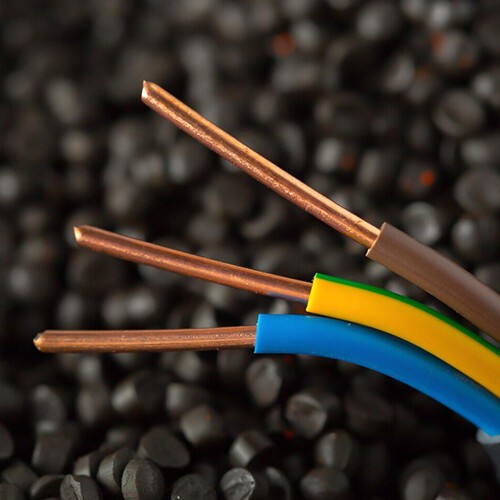
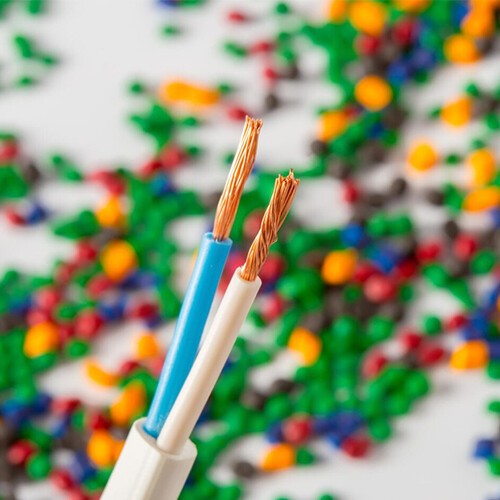
Low Voltage Power Cables are the fundamental arteries of modern electrical infrastructure, designed to safely transmit electrical energy at voltages up to 1,000V AC or 1,500V DC. These cables form the critical connection between power distribution points and end-use equipment across residential, commercial, industrial, and infrastructure applications. Understanding their classifications and specifications is essential for engineers, contractors, and procurement specialists seeking optimal performance and compliance.
Classification of Low Voltage Power Cables
Low voltage cables are categorized based on multiple parameters, each determining specific application suitability.
1. By Voltage Rating
Ultra-Low Voltage (ELV): Up to 50V AC/120V DC (control circuits, signaling)
Standard Low Voltage: 300/500V (lighting, domestic circuits)
Main Low Voltage: 0.6/1kV (600V to 1000V) - Most common for power distribution
2. By Conductor Material
Copper Cables: Superior conductivity (100% IACS), excellent flexibility, higher cost. Types include:
Bare copper
Tinned copper (corrosion-resistant)
Aluminum Cables: Lighter weight, cost-effective, larger diameter needed for same current capacity. Types include:
Plain aluminum
Alloy aluminum (AA-8000 series for better flexibility)
3. By Insulation Material
PVC (Polyvinyl Chloride):
Advantages: Cost-effective, flexible, flame-retardant
Limitations: Limited temperature rating (70°C), emits corrosive fumes when burned
Applications: General purpose indoor installations
XLPE (Cross-Linked Polyethylene):
Advantages: Higher temperature rating (90°C), better moisture resistance, superior short-circuit withstand
Applications: Industrial plants, underground, high-load scenarios
EPR (Ethylene Propylene Rubber):
Advantages: Excellent flexibility, high thermal stability
Applications: Mining cables, portable equipment, extreme environments
LSZH (Low Smoke Zero Halogen):
Advantages: Minimal smoke emission, no toxic halogens when burned
Applications: Public spaces, confined areas, transportation systems
4. By Construction Type
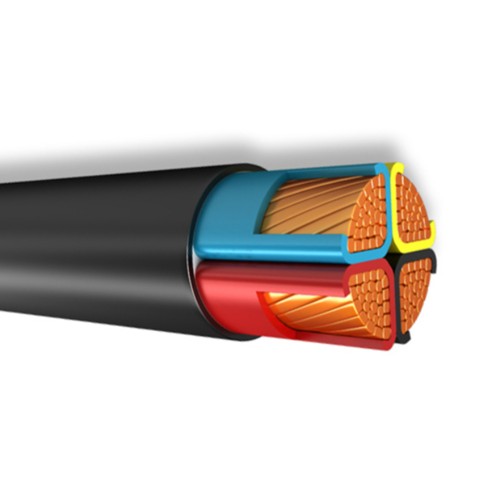
Unarmored Cables: Basic construction with conductor, insulation, and sheath
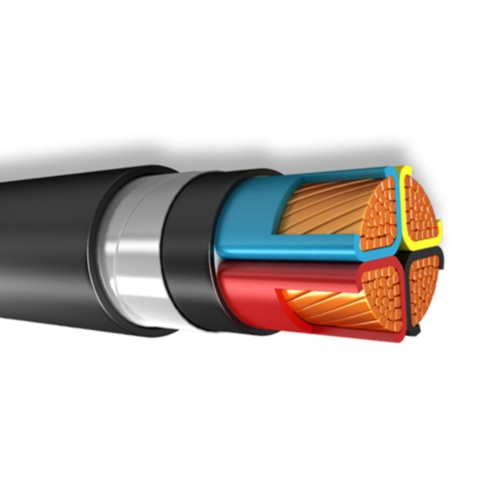
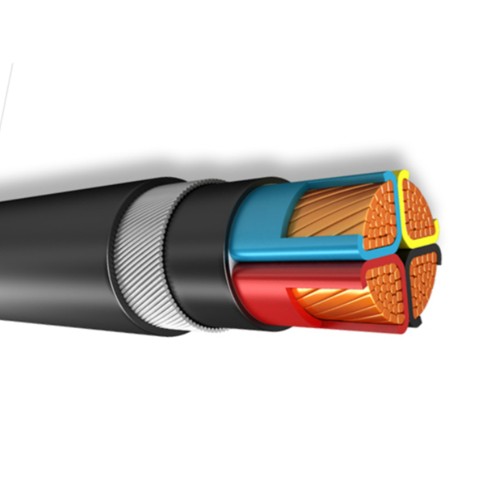
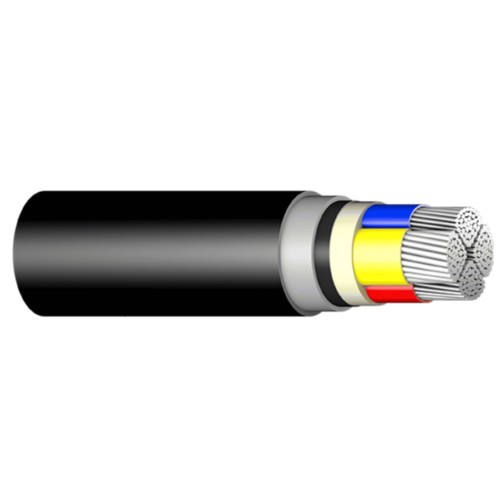
Armored Cables:
SWA (Steel Wire Armored): Mechanical protection, rodent resistance
STA (Steel Tape Armored): Enhanced crush resistance
AWA (Aluminum Wire Armored): Lightweight alternative to SWA
Flexible Cables: Multi-stranded conductors for movable equipment
Fire-Resistant Cables: Maintain circuit integrity during fire conditions
Manufacturing Standards & Global Compliance
International Standards
IEC 60502-1: Power cables with extruded insulation for rated voltages from 1 kV to 30 kV - The global benchmark
IEC 60227: Polyvinyl chloride insulated cables of rated voltages up to and including 450/750 V
IEC 60245: Rubber insulated cables - Rated voltages up to and including 450/750 V
ISO 9001: Quality management system certification
Regional & National Standards
Europe: BS EN 50525 series (UK), NF C 32-321 (France), DIN VDE 0276 (Germany)
North America: UL 44 (Rubber), UL 83 (Thermoplastic), NEC/NFPA 70 (Installation code)
Australia/New Zealand: AS/NZS 5000.1 & .2
Middle East: SASO (Saudi Arabia), ESMA (UAE)
Asia: IS 1554 (India), GB 12706 (China), JIS C 3307 (Japan)
Detailed Technical Specifications
Core Components & Construction
Conductor
Material: Electrolytic copper (≥99.9% purity) or EC-grade aluminum
Class: Class 1 (solid), Class 2 (stranded), Class 5 (flexible), Class 6 (extra flexible)
Shapes: Circular, sector-shaped (for compact multipolar cables)
Insulation
Thickness: Standardized per IEC 60502-1 tables based on conductor size
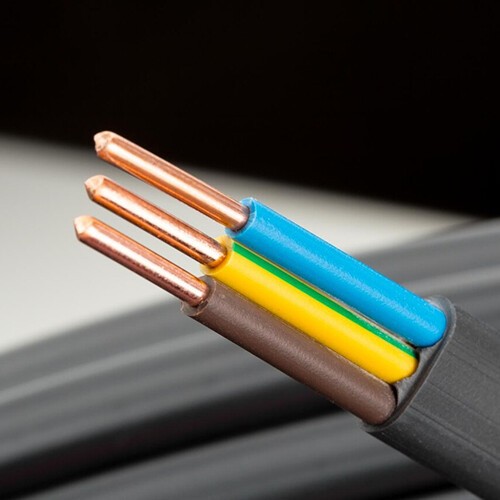
Colors: Phase: Brown, Black, Grey (or Red, Yellow, Blue); Neutral: Blue; Earth: Green/Yellow
Bedding/Filler
Purpose: Maintain circular shape, provide thermal barrier
Materials: PVC tape, polypropylene yarn, or non-hygroscopic fillers
Armoring (if applicable)
Galvanization: Hot-dip galvanized steel for corrosion resistance
Application: Helically applied with precise pitch
Outer Sheath
Material: PVC, LSZH, PUR (polyurethane), or CPE (chlorinated polyethylene)
Thickness: Determined by cable diameter per standards
Markings: Manufacturer ID, standard, voltage rating, size, year of manufacture
Key Performance Parameters
|
Parameter
|
PVC Cable
|
XLPE Cable
|
Test Standard
|
|
Max Operating Temperature
|
70°C
|
90°C
|
IEC60502-1
|
|
Short Circuit Temperature
|
160°C
|
250°C
|
IEC60502-1
|
|
Minimum Bending Radius
|
15xD (fixed)
|
12xD(fixed)
|
IEC60502-1
|
|
|
6XD (during installation)
|
6XD (during installation)
|
|
|
Flame Retardancy
|
IEC 60332-1
|
IEC 60332-1
|
IEC 60332 series
|
|
Smoke density
|
N/A
|
≤80% (LSZH)
|
IEC61034
|
Application-based selection matrix
|
Application
|
Recommended type
|
Key features needed
|
|
Residential building wiring
|
PVC insulated,non-armored
|
Flame retardant, cost-effective
|
|
Industrial power distribution
|
XLPE/SWA/LSZH
|
Mechanical protection, higher temp rating
|
|
Underground installation
|
XLPE/AWA with HDPE sheath
|
Moisture resistance, rodent protection
|
|
Public buildings/hospitals
|
LSZH, fire-resistant
|
Low smoke emission, circuit integrity
|
|
Renewable energy plants
|
XLPE, UV-resistant sheath
|
Weather resistance, DC rating
|
|
Marine/Offshore
|
EPR, corrosion-resistant
|
Saltwater resistance, flexibility
|
Low voltage power cables represent a sophisticated category of electrical components where proper selection directly impacts safety, efficiency, and system longevity. By understanding classifications against international standards and matching specifications to application requirements, professionals can ensure reliable power distribution that meets both technical and regulatory demands. As technology evolves, these cables continue to adapt, offering smarter, safer, and more sustainable solutions for global electrification needs.







 613
613


 Admin
Admin
 Jan 28 2026
Read More
Jan 28 2026
Read More